When a clothing brand develops a knitwear style across several sizes, the quality of the size set affects every later decision—from fit approval and pattern adjustment to production communication. A clear size-set plan helps a buying team compare measurements, proportions, stitch behavior and garment appearance before bulk production begins. For brands working with a knitwear OEM or ODM partner, this step connects the design brief with sample development and a more controlled production handover.
1. Start with a complete size-set brief
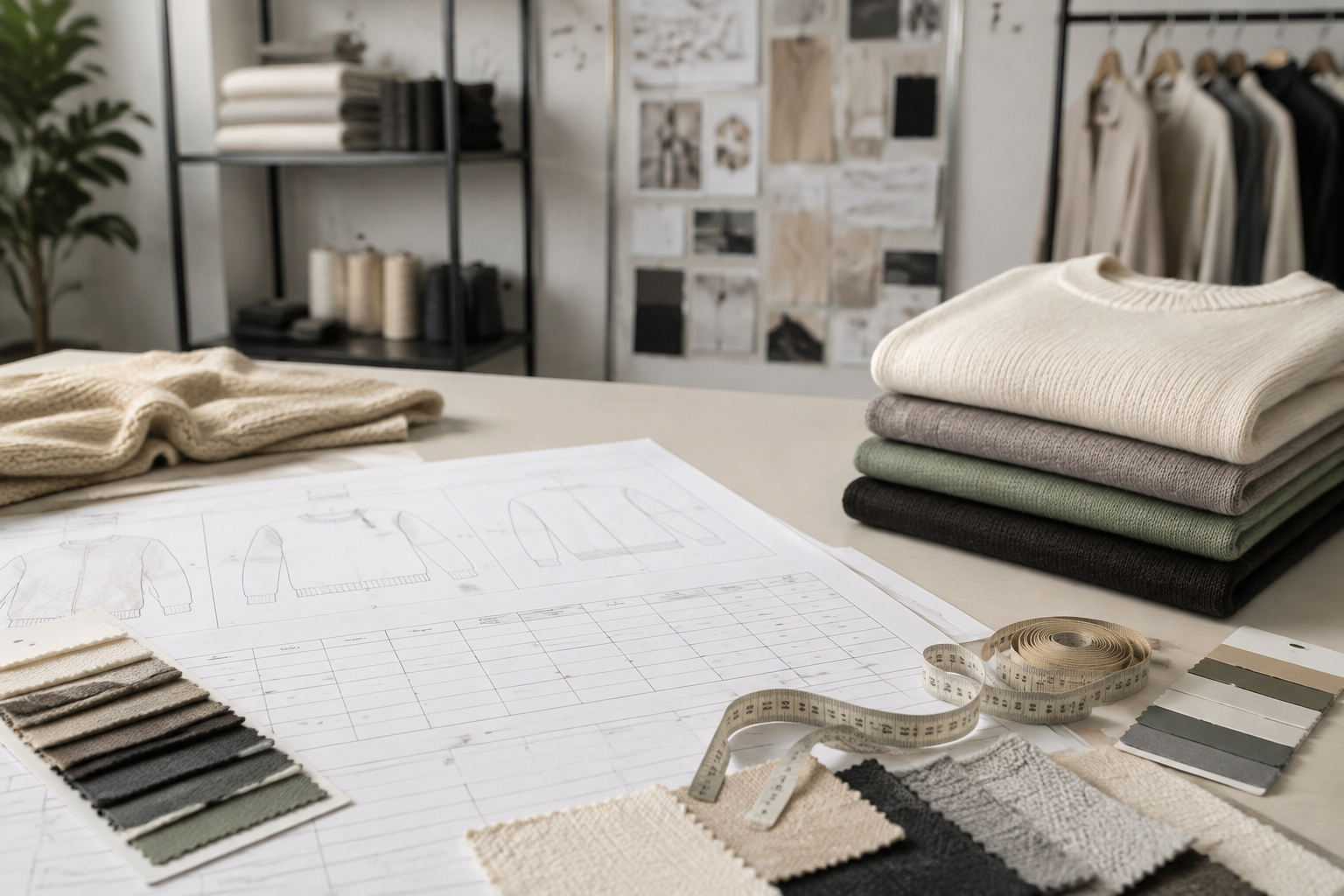
Before samples are knitted, define the size range, target wearer, measurement chart and tolerance expectations. The brief should identify key points such as body length, chest width, shoulder width, sleeve length, armhole depth, neckline opening and hem dimensions. It should also explain whether the style is intended to have a close, regular or relaxed fit. For childrenswear, babywear or multi-size programs, age or height references may be useful, but the approved measurement chart should remain the production reference. Include yarn information, stitch structure, construction details and any decoration so the development team can understand how each component may affect fit.
2. Compare grading behavior, not only measurements
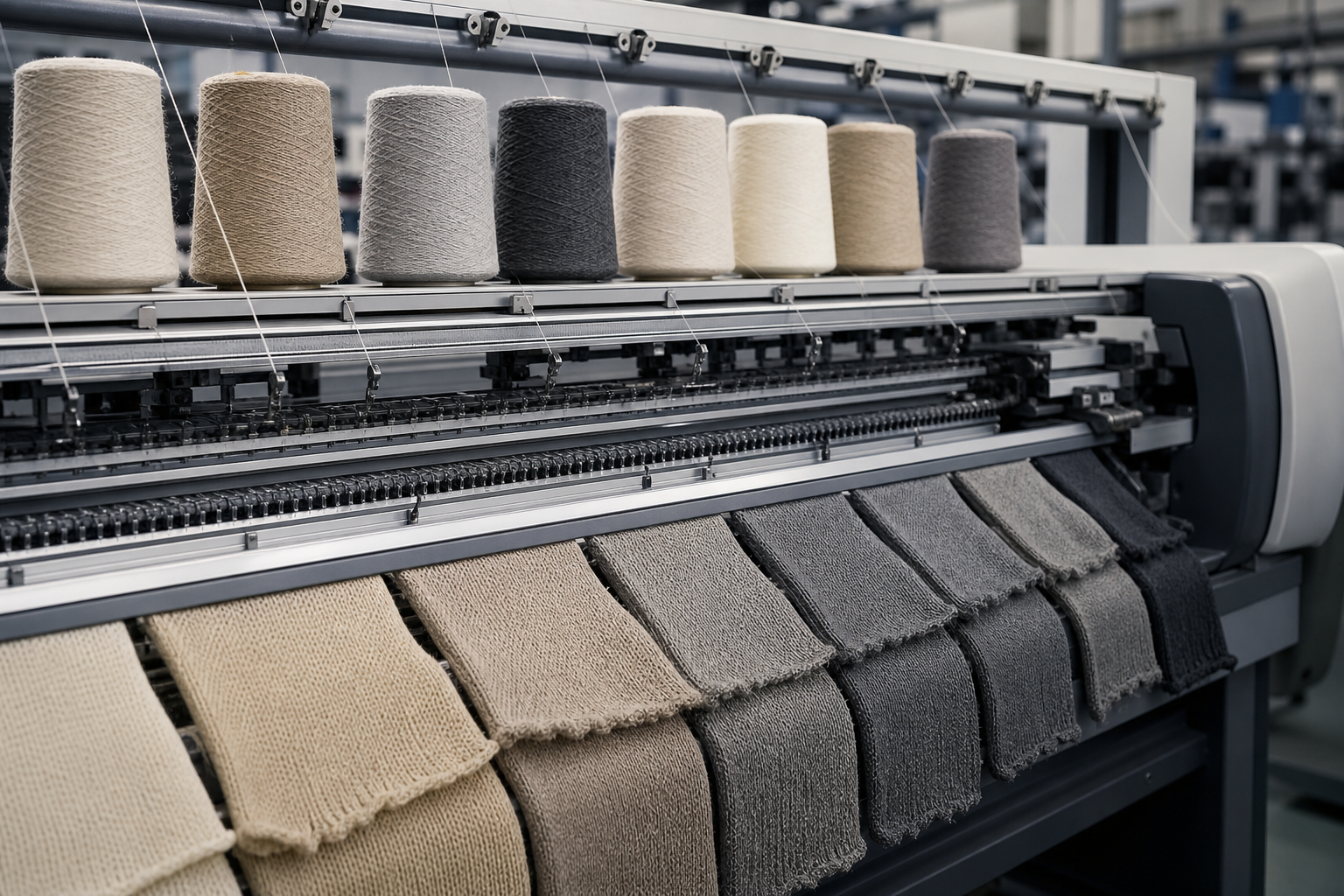
Size grading in knitwear is influenced by yarn elasticity, stitch density, garment construction and finishing. A buying team should compare how the silhouette changes from one size to the next, rather than checking isolated numbers only. Review the balance between body width and length, sleeve proportion, shoulder placement, neckline shape and rib recovery. A computerized flat knitting machine can support repeatable panel production, while linking and finishing still influence the final dimensions. If a size appears to grow too quickly or too slowly, record the issue against the measurement chart and sample photos so the next adjustment is specific and easy to verify.
3. Review fit on representative sizes
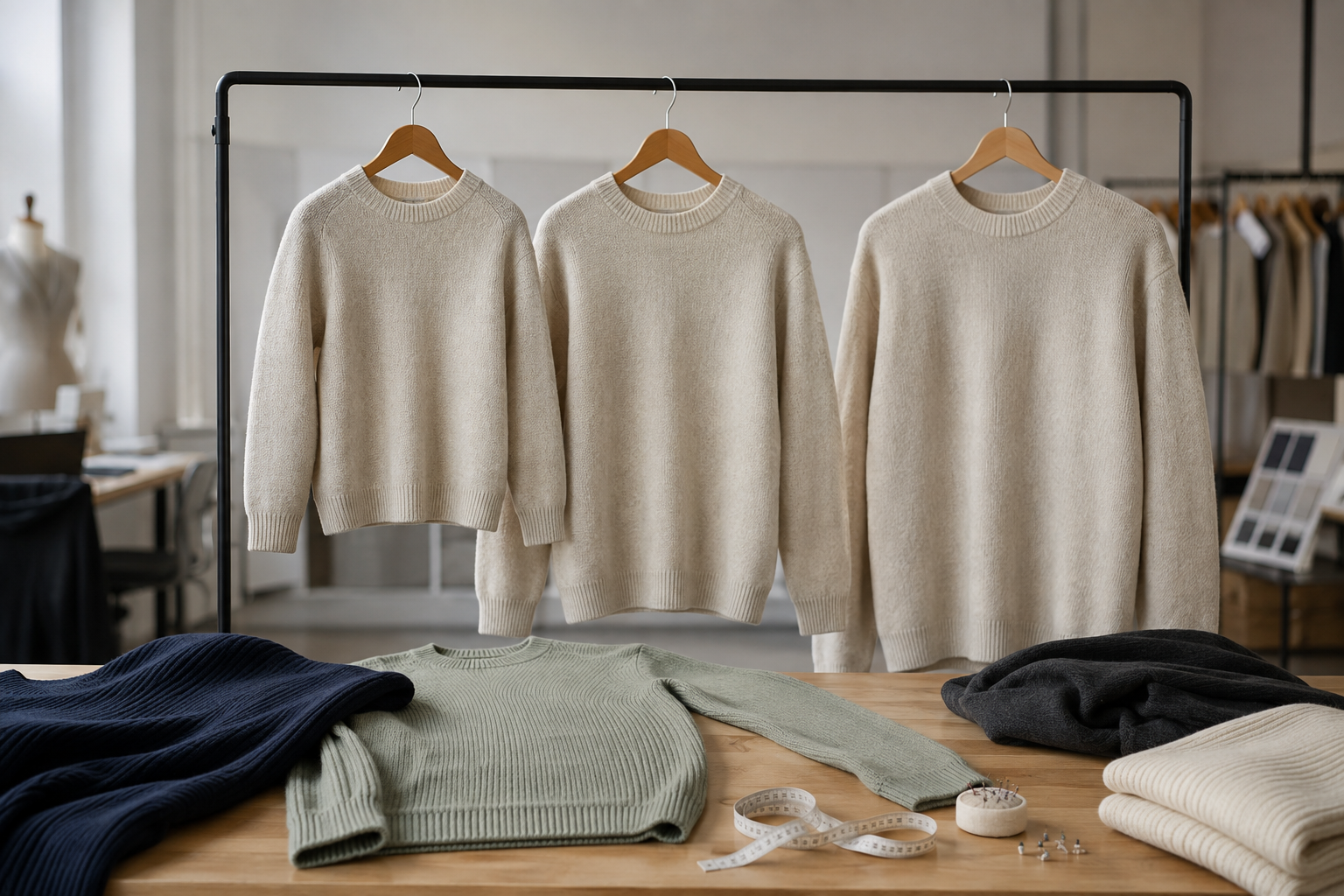
It is rarely efficient to assess every size on a live fitting model at the same time. Select representative sizes that show the smallest, middle and largest points of the range, then use measurements and construction checks to review the sizes between them. Look for consistent shoulder balance, armhole comfort, sleeve placement, hem behavior and neckline stability. For a design with cables, jacquard, intarsia, lace or other directional details, check whether the visual motif remains proportionate as the garment grows. Share marked-up comments with the knitwear development team and confirm which changes apply to the whole size range and which are size-specific.
4. Lock the approved size set into production communication
Once the representative sizes are approved, consolidate the final measurement chart, graded specifications, approved sample references and construction notes. The production handover should identify the yarn, stitch or pattern requirements, finishing expectations, inspection points and packaging instructions. Quality checks should cover raw materials, knitted panels and assembly, finished garment appearance, and packaging or shipment readiness. Keep a record of any points that remain project-dependent or to be confirmed, such as final quantities, MOQ and lead time, unless they have been agreed for the specific program. This gives clothing brands, retailers and buying teams a practical reference for bulk production without introducing assumptions.
FAQ
How many sizes should a knitwear size set include?
The size set should reflect the range that needs fit approval for the project. Many teams review representative sizes first, then confirm intermediate sizes through the graded measurement chart and targeted checks.
What should buyers check when comparing knitwear sizes?
Check measurements, silhouette balance, shoulder and sleeve proportion, neckline stability, hem recovery and the behavior of any stitch or decoration. Compare the garments under the same measurement and finishing conditions.
Can one sample represent every size?
One sample can demonstrate design direction, but it cannot fully confirm multi-size grading. Representative sizes provide stronger evidence for fit and proportion before production approval.
What does a knitwear manufacturing partner need from a brand?
The partner typically needs the design interpretation, yarn and color requirements, measurement chart, construction or decoration details, sample comments and approval standards. The exact development information is project-dependent.
Plan your next knitwear size set
Planning a multi-size knitwear program? Wait To Butterfly supports clothing brands, retailers and buying teams with knitwear OEM, ODM, design-to-sample development, sample-based customization and pattern or sample services. Contact the team at waittobutterfly.com, WhatsApp +1 (669) 358-6009 or xyzzzlife@gmail.com to discuss your development brief.